Did you know Australians drink an average of 1.91 kilograms of coffee per person each year? That’s a lot of beans—and a heap of leftover coffee grounds. If you’re a Tassie gardener (or just love a good brew), you’ve probably wondered about using coffee grounds for gardening. Some say they’re a brilliant natural fertiliser; others warn they can do more harm than good. So what’s the truth?
In this post, let’s dig into it. Here’s how to use coffee grounds in the right way to boost your garden (without causing a caffeine crash for your plants).
What Coffee Grounds Actually Do in Your Garden
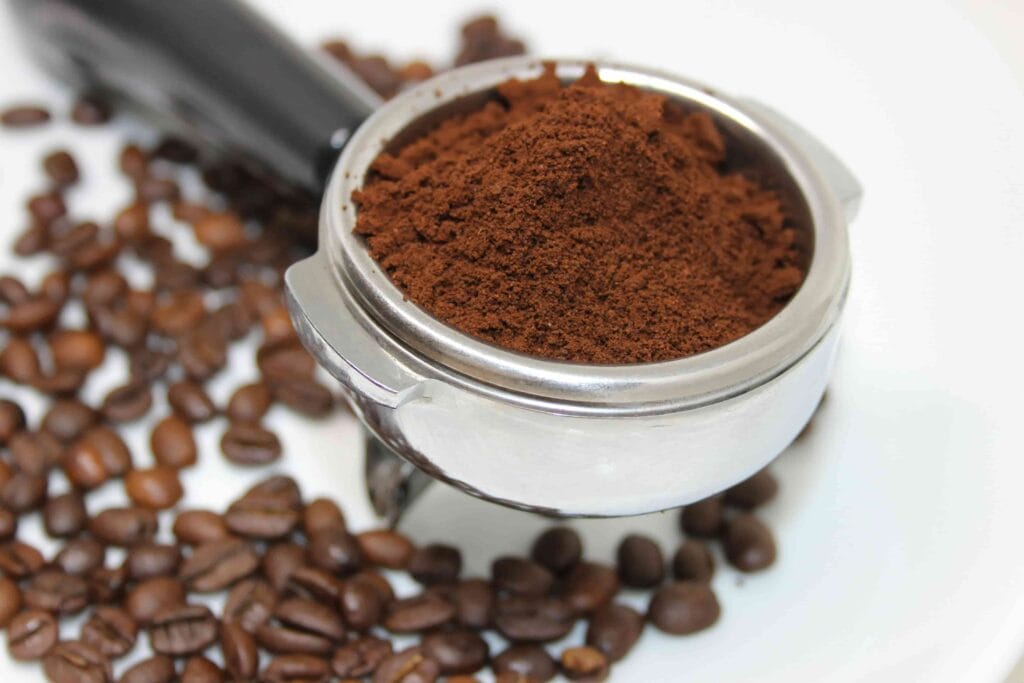
So, are coffee grounds good for the garden? When used properly, yes. They contain small amounts of nitrogen, phosphorus, and potassium (i.e. NPK) and can help improve soil structure. Coffee grounds are also great for increasing organic matter in the garden, which your plants will thank you for. Worms seem to enjoy them, too, which is always a good sign. But as with anything in gardening, it’s all about balance.
The Right Way to Use Coffee Grounds as Fertiliser
Use a Light Hand
If you’re hoping to use coffee grounds as a fertiliser, the key is to keep it light and spread out. Think of it like seasoning a dish. You only need a sprinkle to give your garden a little lift. A thin layer around the base of your plants is all you need. Avoid dumping large clumps in one spot, as this can cause the grounds to clump and create a crusty layer that blocks water and air.
Add to Compost for a Balanced Boost
Another solid option is to add your coffee grounds to a compost bin. They count as a “green” compost material, meaning they’re nitrogen-rich. But you’ll need to balance this with “browns” like dry leaves, paper or cardboard. This mix helps everything break down properly and keeps your compost pile happy.
Give a Bit for the Worms
If you’ve got a worm farm, you can add small amounts of coffee grounds there, too. Worms like them, but only in moderation. Too much can make things a bit acidic, so a little now and then is the way to go.
Should You Mulch with Coffee Grounds?
This one trips up a lot of gardeners. At first glance, it seems like a great idea. Coffee grounds are free, plentiful and organic, so why not use them as mulch? The problem is in the texture. Coffee grounds are made up of very fine particles. When you spread them thickly on top of the soil, they tend to compact and form a water-resistant layer. That means rainwater can run off instead of soaking into the soil, which isn’t ideal for your plants.
Instead of using them on their own, mix your coffee grounds with other mulch materials like straw, bark, or dry leaves. This helps keep the mixture open and loose, allowing water and air to reach the roots.
Which Plants Love (or Hate) Coffee Grounds?
Some plants thrive with a bit of coffee in their lives, while others struggle with it. Knowing which can make all the difference in your garden.
Plants that enjoy coffee grounds
- Hydrangeas
- Azaleas
- Camellias
- Blueberries
- Rhododendrons
- Roses (in small amounts)
Reason: These plants like slightly acidic soil, and coffee grounds can help support that.
Plants that don’t do well with coffee
- Tomatoes
- Beans and peas
- Seedlings or freshly planted veggies
Reason: Tomatoes, in particular, seem to struggle when coffee grounds are nearby. Seedlings are also sensitive, so steer clear of using grounds in areas where seeds are trying to germinate.
Common Mistakes to Avoid
Plenty of gardeners in Tassie have given coffee grounds a try, with mixed results. Here are a few things to keep in mind so you don’t run into trouble:
Using too much in one spot: A thick layer can compact and block moisture. Keep it thin and mix it in.
Skipping the mix: Always combine coffee grounds with other compost or mulch ingredients. Don’t use them on their own.
Thinking they fix pest problems: Some gardeners claim coffee grounds keep slugs, ants or cats away, but the results vary. It might help a bit but don’t rely on it.
Letting pets near them: Coffee grounds can still contain caffeine, which isn’t safe for dogs. If your pup likes to sniff around the garden, it’s best to keep the grounds buried in compost.
Want a Healthier Garden? Let Lawn Squad Help
Using coffee grounds in your garden is a great way to reduce waste and give your soil a natural boost. But like most things in gardening, it works best when done with care and a bit of local know-how. If you’re unsure about what your garden needs or want some friendly help with your lawn, beds, or compost setup, we’ve got you covered. At Lawn Squad, we’re Tassie locals who love turning good soil into great results. Get in touch with us today, and let’s get your garden growing its best.